
Participant Information Animation
The BASIS Study is looking at the best way to treat children and young people between the ages of 10 to 15 who have been diagnosed with scoliosis
Scoliosis is when your backbone curves to the side
If the curve gets too big you may need to have spinal surgery
We avoid surgery where possible because of the risks
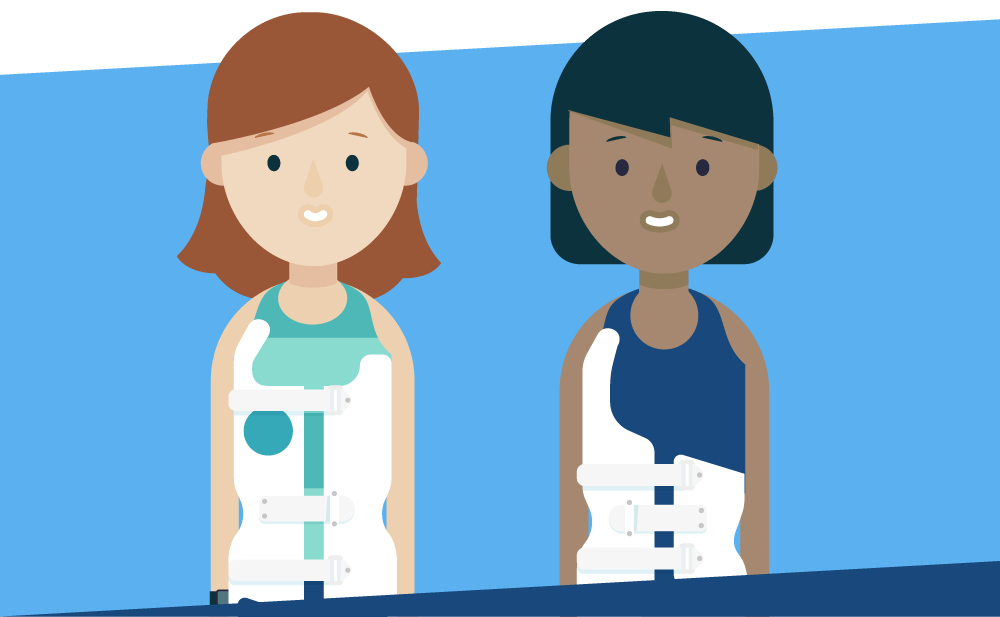
Braces for scoliosis reduce the risk of the curve getting bigger and needing surgery
They are usually worn for between one and a half, to three and a half years
The standard treatment in the UK is to wear a back brace for 20 - 24 hours of the day
This study is looking at whether a different type of back brace, worn only at night, is as effective
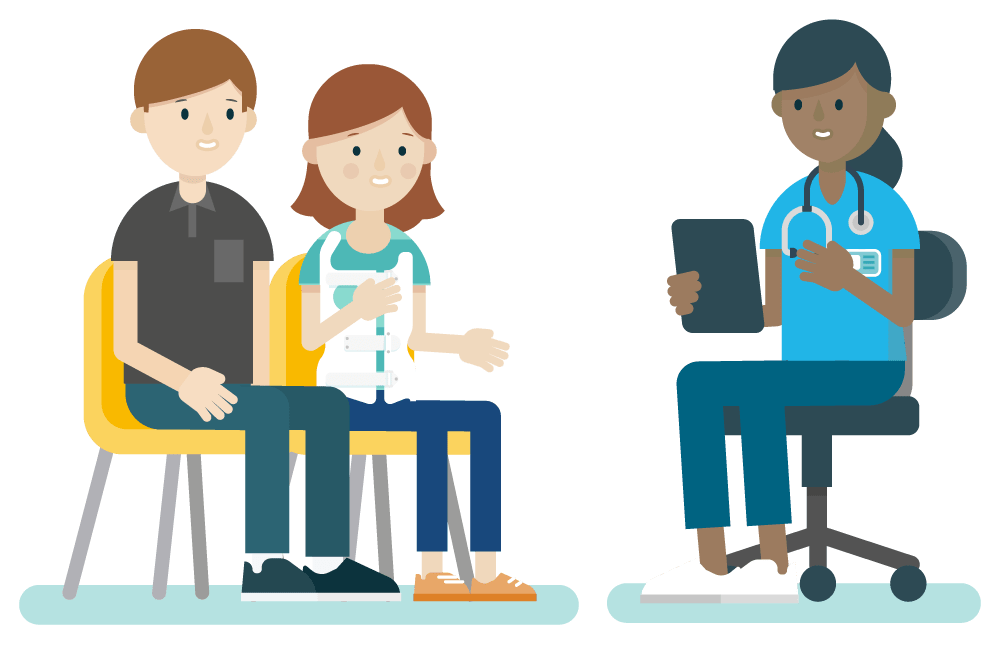
You are invited to take part because your doctor believes EITHER treatment is suitable for you
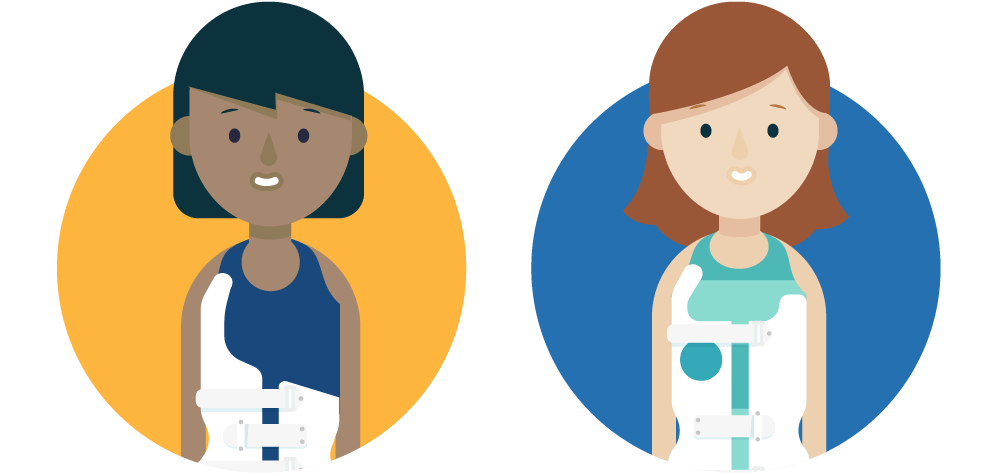
In the BASIS Study one group uses a full time brace, which holds the curve in place, worn for at least 20 hours each day
The other group uses a night-time only brace, which over corrects the curve, worn for at least 8 hours overnight
To make things fair, the two groups are chosen randomly using a computer
Neither you, nor your doctors, can choose which treatment you have
If you agree to take part you’ll be asked to sign an ‘assent form’ to confirm that you understand the study
Your parent or guardian will need to sign a consent form to confirm that they are happy for you to take part
Your doctor will then check which group you are in and explain your treatment
You’ll be asked some questions about your back, and how you feel
We’ll send you the same questions by email twice a year throughout the study
You will have the same hospital visits as patients not taking part in the study
If you agree to take part and then change your mind you can leave the trial at any time, and still have access to normal NHS treatment
If you don’t want to take part, your treatment will continue with your doctor
If you have any questions please speak to your doctor or one of the research team.